





Gnats may be tiny, but they can quickly become a frustrating problem inside your home. You might notice them hovering around a fruit bowl, gathering near your kitchen sink, or flying around your favorite houseplants. At first, there may be only a few, but their numbers can increase when they find a suitable place […]
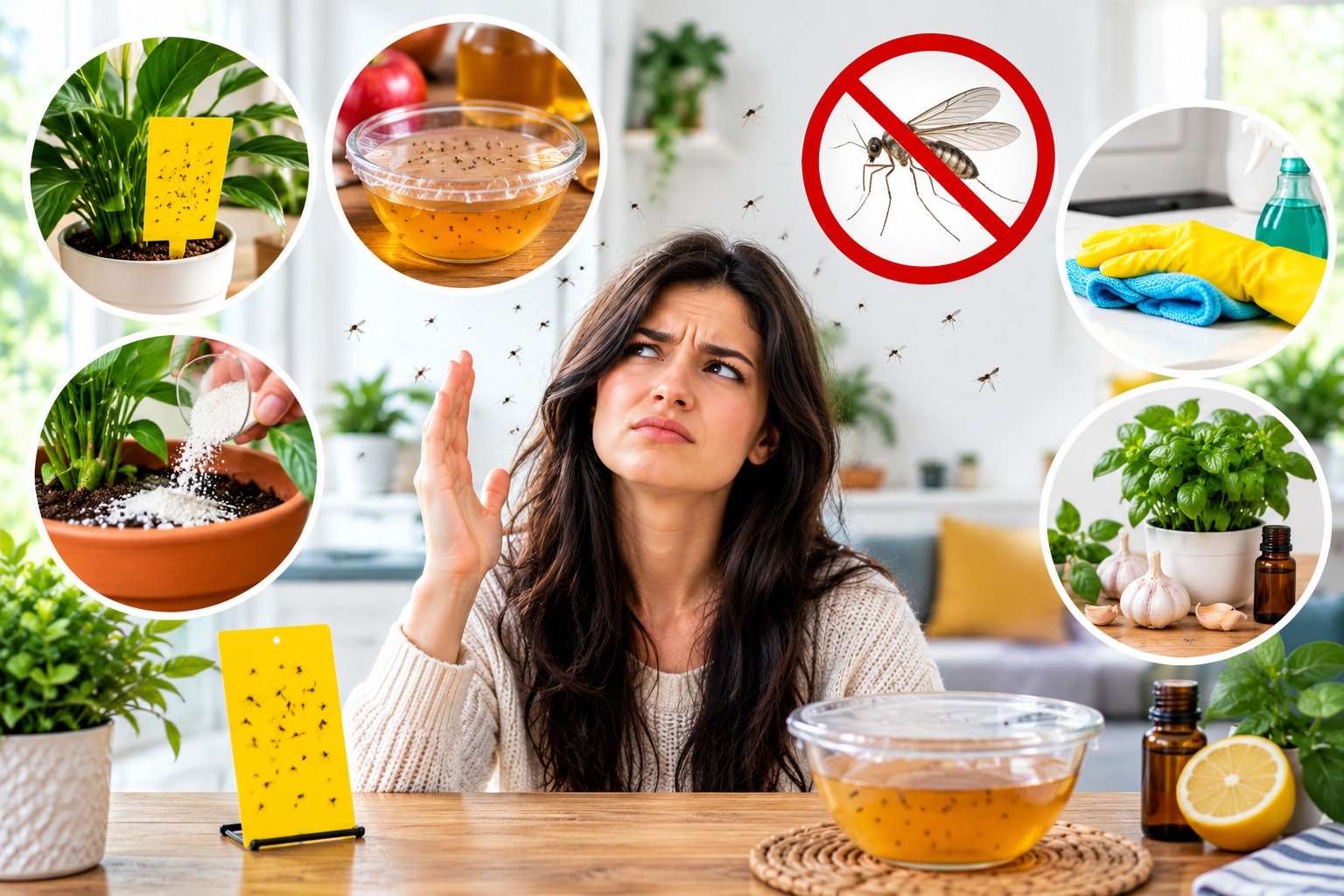
Gnats may be tiny, but they can quickly become a frustrating problem inside your home. You might notice them hovering around a fruit bowl, gathering near your kitchen sink, or flying around your favorite houseplants. At first, there may be only a few, but their numbers can increase when they find a suitable place to feed and reproduce. The good news is that learning how to get rid of gnats does not require expensive equipment or complicated treatments. The key is to identify the type of gnat, remove the conditions attracting it, and target the places where it breeds. With a few practical cleaning habits, simple homemade traps, and the right prevention methods, you can reduce an infestation and help keep these irritating insects from returning.
What Are Gnats, and Why Are They in Your House?
Gnats are small, flying insects commonly found around moisture, decaying organic matter, fruits, and damp soil. The word “gnat” describes several kinds of tiny flies rather than one specific insect. Identifying which type is in your home makes it easier to choose the right treatment.
The most common household varieties include:
- Fungus gnats: Small, dark insects that often fly around houseplants and damp potting soil.
- Fruit flies: Tiny flies attracted to ripe fruit, fermenting liquids, food residue, and sugary spills.
- Drain flies: Small, fuzzy-looking insects that rest near sinks, showers, and drains where organic buildup accumulates.
Gnats usually appear when they find food, moisture, or a suitable place to lay eggs. Overwatered plants, forgotten produce, uncovered trash, dirty drains, and damp cleaning cloths can all contribute to the problem.
Before setting traps, spend a few minutes observing where the insects gather. That small step can save you time because a fruit fly trap will not solve a fungus gnat problem caused by wet potting soil.
1. Identify Where the Gnats Are Coming From
The first step in getting rid of gnats is locating their source. Killing the adult insects may provide temporary relief, but new ones can continue appearing if eggs and larvae remain undisturbed.
Start by checking the areas where you see the most activity.
Around fruit and food: Inspect fruit bowls, vegetable baskets, recycling containers, garbage bins, and food scraps. Fruit flies are particularly attracted to overripe produce and fermenting residue.
Around houseplants: Look for tiny black flies hovering above the soil or crawling around plant pots. Fungus gnats often thrive in consistently moist potting mixes.
Near sinks and drains: If the insects frequently rest around bathroom or kitchen drains, inspect the drain opening for slime and organic buildup. Drain flies often breed in this material.
Around damp household items: Check wet mops, sponges, buckets, compost containers, and areas where water collects.
Once you identify the likely source, focus your cleaning and treatment efforts there instead of trying to treat every room in the house.
2. Use Apple Cider Vinegar to Trap Fruit Flies
A homemade vinegar trap is one of the easiest ways to catch adult fruit flies. The sweet, fermented smell attracts them, while a small amount of dish soap helps prevent them from escaping the liquid.
How to Make a Homemade Gnat Trap
You will need:
- A small bowl or cup
- Two to three tablespoons of apple cider vinegar
- A few drops of liquid dish soap
- Optional plastic wrap and a toothpick
Instructions:
- Pour the apple cider vinegar into the bowl.
- Add a few drops of dish soap and gently mix.
- Place the bowl near the area where fruit flies gather.
- Check the trap daily and replace the mixture when necessary.
You can also cover the container with plastic wrap and make several small holes in the top.
This method works best for fruit flies and some similar small flying insects. It is generally less effective against fungus gnats breeding in potting soil, so do not rely on it as your only treatment if your houseplants are the source.
3. Get Rid of Gnats in Houseplants
If gnats appear whenever you water your plants, damp potting soil may be the main problem. Fungus gnats lay eggs in moist growing media, and their larvae feed on fungi and decaying organic material.
The solution is to manage the soil rather than simply killing the flying adults.
Let the Soil Dry Between Waterings
Allow the upper layer of potting mix to dry before watering again, provided your particular plant can tolerate it. Many common houseplants do well when the top inch or two of soil dries, but moisture requirements vary by species.
Avoid leaving standing water in saucers beneath pots. Empty excess water after watering and make sure containers have adequate drainage holes.
Use Yellow Sticky Traps
Yellow sticky cards can capture adult fungus gnats and help you monitor their numbers. Place them near the soil surface, following the product instructions, and keep them away from children and pets.
Sticky traps reduce the number of flying adults but do not eliminate eggs or larvae in the soil. Combine them with better watering practices for more lasting results.
Consider a Larval Treatment
For persistent fungus gnat problems, products containing Bacillus thuringiensis subsp. israelensis (Bti) may help control larvae when labeled for that use. Apply them according to the product directions and confirm that the treatment is appropriate for your plants.
Avoid pouring random household chemicals into plant soil. Harsh mixtures can damage roots without solving the infestation.
4. Clean Drains to Control Drain Flies
Drain flies often appear near sinks, floor drains, showers, and other plumbing fixtures. Their larvae can develop in the moist organic film lining drains, so removing that buildup is more useful than simply spraying the adult flies.
Follow these steps:
- Remove visible debris from the drain opening.
- Use a suitable drain brush to scrub accessible surfaces and the inside of the drain.
- Clean the stopper and surrounding area, where residue can collect.
- Flush the drain according to the fixture or cleaning-product instructions.
- Repeat the cleaning if adult flies continue to appear.
A drain brush and thorough mechanical cleaning are often more useful than pouring vinegar or bleach into the drain without removing the underlying buildup.
Important: Never mix bleach with vinegar, ammonia, or other cleaning products. Dangerous gases can form. Follow product labels and ventilate the area while cleaning.
If drain flies persist despite repeated cleaning, consider checking rarely used drains, floor traps, or plumbing leaks. A plumber may be needed if the source is inaccessible or related to a damaged drain line.
5. Remove Food Sources and Moisture
Even the best gnat traps will struggle to solve an infestation if food and breeding sites remain available. A clean, dry environment makes your home less attractive to these insects.
Focus on these everyday tasks:
- Store ripe fruit in the refrigerator when practical.
- Throw away overripe produce and food scraps promptly.
- Wipe up juice, soda, and other sugary spills.
- Rinse food containers before placing them in recycling.
- Empty kitchen trash regularly and clean the bin when needed.
- Wash sponges, dishcloths, and reusable cleaning tools frequently.
- Repair leaking faucets and pipes.
- Dry standing water around sinks and counters.
- Keep compost containers covered and clean them regularly.
Pay special attention to places that are easy to overlook, such as the bottom of a trash can, the area beneath a refrigerator, and the space around a garbage disposal.
These simple habits reduce the food and moisture that allow gnats and other small flies to thrive.
6. Use Fans and Screens to Reduce Flying Gnats
Fans and window screens will not eliminate a breeding source, but they can make it harder for flying gnats to settle in certain areas.
A small fan near a kitchen counter or seating area can disrupt the weak flight of many tiny flies. Properly fitted window screens can also help prevent outdoor insects from entering.
Check doors and windows for gaps, particularly if gnats appear near indoor plants or outdoor lights. Keep doors closed when possible, and avoid leaving food exposed near open windows.
For outdoor gatherings, use covered food containers and remove drink spills promptly. These measures reduce insect activity around eating areas without relying on repeated pesticide applications.
7. Choose the Right Treatment for the Type of Gnat
Different gnats require different control methods. Use the following guide to decide where to begin.
| Where you see gnats | Likely cause | Best first step |
| Fruit bowl or kitchen counter | Fruit flies | Remove overripe produce and set a vinegar trap |
| Around houseplant soil | Fungus gnats | Adjust watering and use yellow sticky traps |
| Around sinks or showers | Drain flies | Scrub drain surfaces and remove organic buildup |
| Near trash or recycling | Food residue | Clean bins and remove waste |
| Near windows or doors | Outdoor insects entering | Check screens and seal gaps |
If the insects do not respond to your initial treatment, reassess the identification. Two different kinds of small flies can occur in the same home, and each may need a separate approach.
8. Prevent Gnats From Coming Back
Once gnat numbers begin to fall, prevention becomes the priority. Adult insects may remain visible for a while, and new adults can emerge if eggs or larvae survive the first round of treatment.
Create a simple maintenance routine:
Every day: Put food away, wipe kitchen counters, remove food scraps, and dry wet surfaces.
Every few days: Check fruit, clean the sink area, empty trash when needed, and inspect plant soil for excessive moisture.
Every week: Clean drain openings, wash waste containers if dirty, and inspect houseplants for signs of fungus gnats.
When needed: Replace sticky traps, treat persistent larvae with an appropriate labeled product, and investigate any unexplained moisture.
Do not overwater plants just because their soil looks dry on the surface. Check moisture a little deeper and follow the plant’s specific watering requirements. Likewise, do not assume that every insect near a sink comes from the drain; confirm the source before repeating treatments.
Consistency matters more than using many products at once. Removing breeding sites usually provides better long-term results than repeatedly killing adult insects.
How Long Does It Take to Get Rid of Gnats?
The time required depends on the insect species, the size of the infestation, and whether you eliminate the breeding source.
You may notice fewer adult fruit flies within a few days after removing infested produce and using traps. Fungus gnats can take longer because larvae may remain in the potting mix, while drain flies may persist until the organic buildup in the drain is removed.
Continue monitoring the affected area for at least one to two weeks. If the insects keep returning, inspect nearby plants, drains, trash containers, and damp areas for another breeding source.
If you suspect a hidden plumbing leak or a large infestation that you cannot identify, professional pest-control assistance may be worthwhile.
Conclusion
Learning how to get rid of gnats starts with understanding why they are in your home. Fruit flies usually require better food storage and removal of fermenting residue, fungus gnats need improved moisture management around houseplants, and drain flies require thorough cleaning of the organic material inside drains.
Homemade vinegar traps, yellow sticky cards, regular cleaning, and appropriate larval treatments can all help when used for the right insect. However, the most important step is removing the place where gnats reproduce. By combining targeted treatment with a consistent cleaning routine, you can reduce existing insects and make your home less inviting to new ones.
Frequently Asked Questions (FAQs)
1. What is the fastest way to get rid of gnats?
The fastest approach is to remove the source of the infestation and trap the adult insects. Discard overripe fruit, clean food residue, manage damp plant soil, or scrub affected drains depending on where the gnats gather. A trap alone may provide temporary relief without stopping new insects from emerging.
2. Why do I suddenly have so many gnats in my house?
Gnats may multiply when they find moist soil, decaying produce, food residue, or organic buildup in drains. A forgotten piece of fruit, overwatered plant, or dirty trash container can provide suitable breeding conditions. Finding the source is the best way to stop the increase.
3. Does vinegar really kill gnats?
Apple cider vinegar can attract and trap fruit flies, especially when combined with a few drops of dish soap. However, it is not a reliable solution for every type of gnat. Fungus gnats and drain flies generally require treatment of their specific breeding areas.
4. How do I get rid of gnats in my bedroom?
Remove uncovered food, empty nearby trash, check houseplants, and inspect damp areas. If you have plants in your bedroom, let the soil dry appropriately between waterings and consider using yellow sticky traps. Keep window screens in good condition to reduce insects entering from outside.
5. How can I get rid of gnats in houseplants naturally?
Allow the upper layer of soil to dry between waterings when suitable for the plant, remove dead leaves, improve drainage, and use yellow sticky traps to catch adults. Avoid keeping the soil constantly wet. If the infestation continues, consider a labeled Bti treatment for fungus gnat larvae.
6. Why are gnats coming out of my bathroom drain?
Drain flies may breed in the organic film that collects inside drains and nearby plumbing surfaces. Scrub accessible drain surfaces and clean the stopper thoroughly. If the flies continue appearing, inspect other drains and consider a plumbing problem that may require professional attention.
7. Can gnats disappear on their own?
A small number of gnats may disappear if their food source or breeding conditions naturally vanish. However, an established infestation can continue while eggs and larvae remain. Removing the breeding source is more dependable than waiting for the insects to disappear.
8. Are gnats dangerous to humans?
Most common household gnats are primarily a nuisance and do not pose a major direct threat to people. Some biting species can irritate skin, and large numbers of insects around food are undesirable. Identify the insect if you notice bites or unusual symptoms, and seek appropriate professional advice when necessary.
9. Should I use insecticide to get rid of gnats?
Many small gnat problems can be managed without indoor insecticide sprays. Start with source removal, cleaning, traps, and moisture control. If you choose a pesticide, use one specifically labeled for the insect and location, follow all safety directions, and keep children and pets away as instructed.
10. How can I keep gnats away permanently?
There is no guaranteed permanent solution, but you can greatly reduce recurring infestations by storing food properly, cleaning drains, avoiding overwatering plants, removing standing water, and maintaining window screens. If gnats return, investigate for a missed or newly developed breeding source rather than relying only on traps.