



Learning how to drive a manual car looks intimidating from the passenger seat. Three pedals, a stick that traces an H pattern, and that awful stall-shudder every beginner knows. But most people pick up the basics in one afternoon of practice. All you need is a licensed driver beside you, a big empty parking lot, […]
Learning how to drive a manual car looks intimidating from the passenger seat. Three pedals, a stick that traces an H pattern, and that awful stall-shudder every beginner knows. But most people pick up the basics in one afternoon of practice. All you need is a licensed driver beside you, a big empty parking lot, and one concept that makes everything click: the friction point.
Skip real roads for now. A quiet lot is the right classroom — bring someone who already drives stick so they can spot bad habits before they settle in.
The Three Pedals and the Shifter
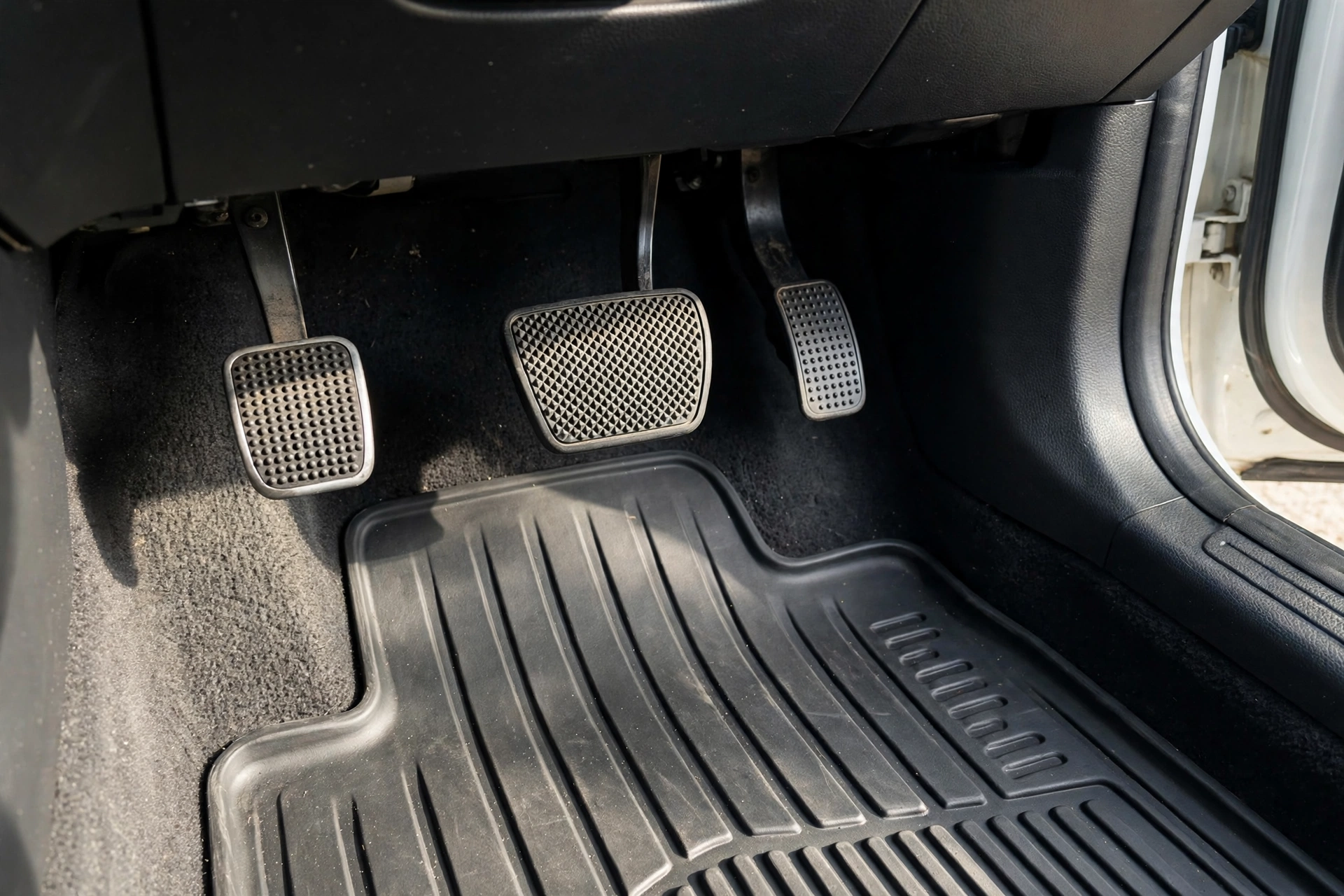
A manual has three pedals:
- Left — the clutch. Disconnects the engine from the wheels so you can change gears.
- Middle — the brake. Same as any car.
- Right — the gas. Same as any car.
Your left foot works the clutch and nothing else; your right foot splits time between brake and gas.
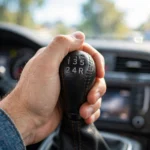
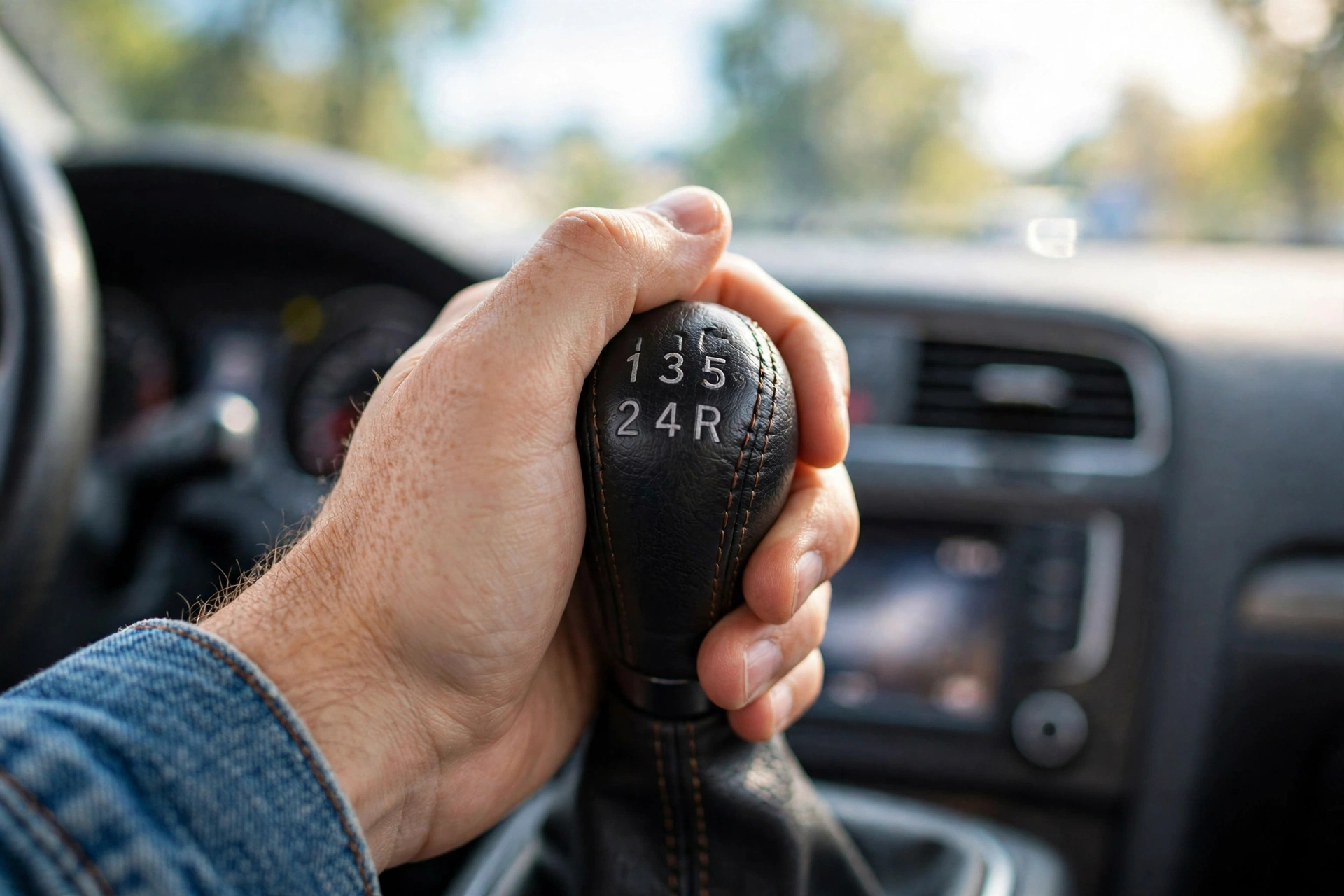
Most shifters use an H pattern: first top-left, second bottom-left, third top-middle, fourth bottom-middle, fifth top-right, with reverse off to one side (usually with a push-down collar).
Find the Friction Point First
This is the skill everything else hangs on. The friction point — the "biting point" — is where the clutch starts to grip as you lift your foot. Below it, nothing happens. Above it, the car moves.
With the engine running and the parking brake set:
- Clutch all the way down, shift into first.
- Lift your left foot very slowly.
- Listen and feel: the engine note drops and the car shivers — that's the spot.
Repeat until you can find it without looking.
Starting and Pulling Away
The full sequence:
- Clutch down, first gear.
- Release the parking brake.
- Lift the clutch slowly to the friction point — the car starts to creep.
- As it rolls, add a little gas while easing the clutch the rest of the way up.
- Clutch fully up, left foot onto the dead pedal.
Smooth beats fast: dumping the clutch stalls you, revving too high lurches you. Aim for about 1,500–2,000 RPM as you pull away.
You will stall. Everyone does: clutch in, neutral, restart, try again. A couple of slow laps around the block is a perfect first session — and if you want to measure a practice route, a 5K is 3.1 miles (how many miles is a 5k).
Shifting Up Through the Gears
In first, the engine gets busy around 2,500–3,000 RPM (roughly 15 mph) — time to shift:
- Foot off the gas.
- Clutch to the floor, one smooth motion.
- Move the shifter first to second.
- Lift the clutch smoothly while giving a touch of gas.
Repeat for third, fourth, and up as speed climbs — roughly every 10–15 mph. First gear runs out fast, so don't linger in it. Jerky shifts mean you're rushing the clutch release.
Slowing Down and Stopping
Foot off the gas, brake gently. As the revs drop near 1,000 RPM, press the clutch so the engine won't stall. Stopped for a moment? Stay in first, clutch down. Red light or a long wait? Shift to neutral and release the clutch — kinder to your leg and the clutch.
Downshifting
Brake to the right speed, clutch in, shifter down a gear, clutch out smoothly with a small tap of gas to match revs. That blip (rev-matching) keeps the shift silky.
Hill Starts Without Rolling Back
Hills scare every new manual driver. The handbrake trick removes the fear:
- Stop on the hill, foot brake, clutch in, first gear.
- Pull the handbrake so the car can't roll.
- Find the friction point with a little gas — you'll feel the car pull against the brake.
- Release the handbrake and drive off.
No rollback, no panic.
Mistakes Every Beginner Makes
Riding the clutch. Resting your foot on the pedal keeps it half-engaged and wears it out early — and clutches are expensive to replace. Left foot on the dead pedal when you're not shifting.
Skipping the handbrake on hills. Use the trick until hill starts feel boring.
Starting in the wrong gear. Always pull away in first.
Watching the shifter. Eyes on the road. The H pattern lives in your hand, not your eyes.
A manual is a hands-on skill, like fixing a running toilet — once the parts make sense, the rest is practice.
Frequently Asked Questions
How long does it take to learn to drive a manual car?
Most people start, stop, and shift after a session or two; getting smooth — no jerks, no stalls, calm hill starts — takes a couple of weeks of regular driving.
Can I teach myself to drive stick?
Learn the concepts anywhere, but practice with a licensed driver beside you — they'll catch bad habits like riding the clutch before they become permanent.
What gear should I start in?
First gear, always, on dry pavement. Reverse is for backing up only — never while rolling forward. On ice, second gear reduces wheel spin.
Is it bad to rest my foot on the clutch pedal?
Yes. Even light pressure partially disengages the clutch, making it slip and wear faster. When you're not pressing it, your left foot belongs on the dead pedal.