






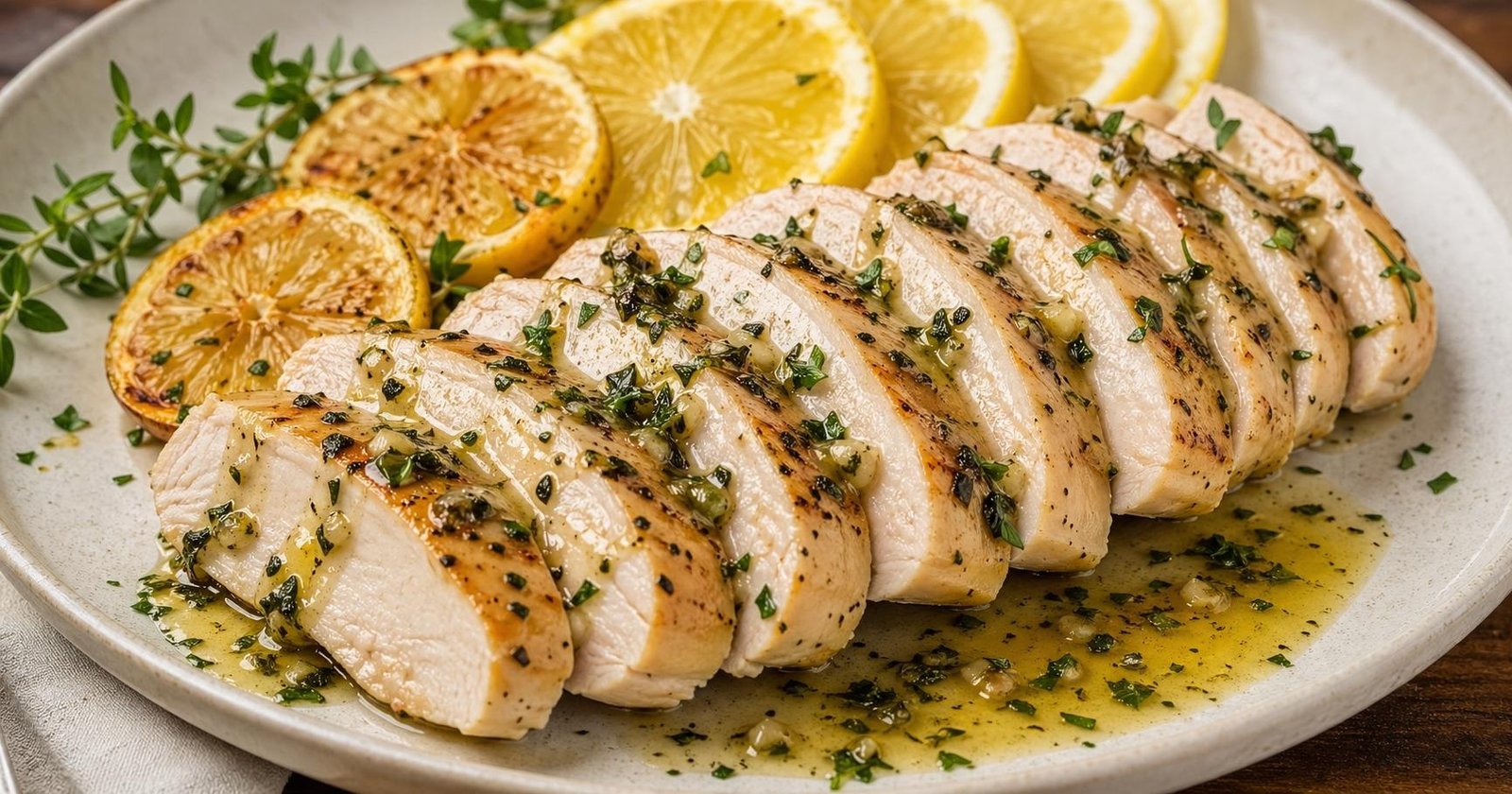
Chicken is one of the most versatile ingredients you can have in the kitchen. It can be grilled, baked, pan-fried, roasted, boiled, or cooked in a flavorful curry. The best part is that you do not need complicated techniques or expensive ingredients to make a delicious chicken meal at home. If you are wondering how […]
Chicken is one of the most versatile ingredients you can have in the kitchen. It can be grilled, baked, pan-fried, roasted, boiled, or cooked in a flavorful curry. The best part is that you do not need complicated techniques or expensive ingredients to make a delicious chicken meal at home.
If you are wondering how to cook chicken properly, the key is simple: choose the right cooking method, season it well, and make sure it reaches a safe internal temperature without overcooking it.
This guide explains several easy ways to prepare chicken, along with useful tips for keeping it tender, juicy, and full of flavor.
What You Need Before Cooking Chicken
Before you start, gather your ingredients and equipment. For a basic chicken recipe, you may need:
- Chicken breasts, thighs, drumsticks, or wings
- Salt and black pepper
- Cooking oil or butter
- Garlic
- Paprika
- Onion powder
- Your favorite herbs and spices
- A sharp knife
- Cutting board
- Frying pan, oven, grill, or air fryer
- Meat thermometer
The exact ingredients depend on the recipe and the cooking method you choose.
How to Prepare Chicken Before Cooking
Proper preparation makes a noticeable difference in the final result.
Start by checking the chicken and removing any unwanted pieces of fat or skin, depending on your recipe. Pat the surface dry with paper towels. Dry chicken browns better than chicken that is covered in excess moisture.
Season both sides generously with salt, pepper, and your preferred spices. You can also marinate the chicken before cooking. A simple marinade can contain yogurt, lemon juice, garlic, olive oil, salt, and spices.
For thicker chicken breasts, consider gently flattening them so they have a more even thickness. This helps them cook more consistently.
How to Cook Chicken in a Pan
Pan-cooking is one of the easiest methods for preparing chicken during a busy week.
Heat a little oil in a skillet over medium heat. Once the pan is hot, place the seasoned chicken in the pan. Avoid overcrowding the skillet because too many pieces can cause the chicken to steam instead of brown.
Cook the chicken on one side until it develops a golden-brown surface. Turn it over and continue cooking until the center is fully cooked.
For boneless chicken breasts, cooking time will depend on their thickness. Thinner pieces cook faster, while thicker pieces require more time.
Once finished, transfer the chicken to a plate and let it rest for a few minutes before slicing. Resting allows the juices to redistribute, helping the meat stay moist.
How to Bake Chicken in the Oven
Baking is a convenient option when you want to cook several pieces at once.
Preheat your oven according to your recipe. Season the chicken and place it in a lightly oiled baking dish or on a baking sheet.
Chicken breasts, thighs, drumsticks, and wings all require different cooking times, so avoid relying only on the clock. Instead, use a meat thermometer to check the thickest part of the chicken.
The chicken should reach an internal temperature of 165°F (74°C) for safe consumption.
For extra flavor, add sliced onions, garlic, lemon, herbs, or vegetables around the chicken before baking.
How to Grill Chicken
Grilled chicken is excellent for sandwiches, salads, wraps, and outdoor meals.
Preheat the grill and lightly oil the grates. Place the seasoned chicken on the grill and cook it without constantly moving it around. Turn the chicken when it has developed grill marks and continue cooking until it is completely done.
A marinade can help add flavor and moisture. If you use a sugary marinade, keep an eye on the chicken because the sugars can burn over high heat.
Always check the internal temperature before serving.
How to Cook Chicken in an Air Fryer
An air fryer can produce chicken with a nicely browned exterior while requiring relatively little oil.
Season the chicken and place it in the air fryer basket in a single layer. Leave some space between pieces so hot air can circulate.
Cook according to the type and size of chicken you are preparing. Larger pieces may need to be turned halfway through cooking.
As with other cooking methods, use a thermometer to confirm that the thickest part reaches 165°F (74°C).
How to Cook Chicken for Curry
Chicken curry is a popular way to turn simple ingredients into a rich and satisfying meal.
Start by heating oil in a pot and cooking chopped onions until softened and lightly browned. Add garlic, ginger, and spices such as cumin, coriander, turmeric, chili powder, or garam masala.
Add the chicken pieces and cook them with the spices until the outside changes color. Then add tomatoes, yogurt, coconut milk, stock, or another sauce base depending on the style of curry.
Cover and simmer until the chicken is tender and fully cooked. Taste the sauce before serving and adjust the salt and spices as needed.
Chicken curry pairs well with rice, naan, roti, or other flatbreads.
How to Keep Chicken Juicy
Dry chicken is usually the result of overcooking, uneven thickness, or insufficient moisture. These simple tips can help:
Don’t Overcook It
The most important rule is to stop cooking once the chicken reaches a safe internal temperature. Leaving it on the heat far beyond that point can make it dry and tough.
Use a Marinade
A marinade can add flavor and may help improve the texture of the chicken. Yogurt-based marinades are especially useful for dishes where you want tender, flavorful meat.
Let It Rest
Give cooked chicken a few minutes to rest before cutting it. Slicing immediately can allow more of the juices to escape.
Choose the Right Cut
Chicken thighs generally contain more fat than chicken breasts, which can make them more forgiving during cooking. Breasts are leaner and can dry out more quickly if overcooked.
Common Mistakes When Cooking Chicken
Even a simple chicken recipe can go wrong if a few basic details are overlooked.
Starting with a cold pan: A properly heated pan helps create better browning.
Overcrowding the pan: Too many pieces can reduce the pan temperature and prevent proper browning.
Cutting the chicken too early: Cutting into chicken repeatedly while it cooks can release juices and make it harder to judge doneness.
Using color alone to judge doneness: Chicken can look cooked on the outside while remaining undercooked inside. A food thermometer is much more reliable.
Forgetting to rest the chicken: A short resting period can improve the texture and juiciness.
Easy Seasoning Ideas for Chicken
You can change the flavor of chicken simply by changing the seasoning.
For a classic flavor, try salt, pepper, garlic powder, paprika, and dried herbs.
For a spicy version, combine chili powder, paprika, cumin, garlic, black pepper, and a little cayenne pepper.
For a fresh Mediterranean-style flavor, use lemon, garlic, oregano, olive oil, black pepper, and parsley.
For an Asian-inspired dish, try soy sauce, garlic, ginger, sesame oil, and a small amount of honey.
The possibilities are almost endless, which is why chicken works so well for everyday cooking.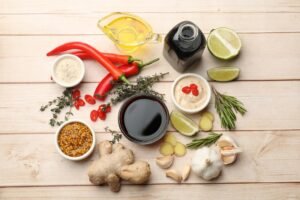
How to Store Cooked Chicken
After cooking, refrigerate leftover chicken promptly in a covered container. Divide large portions into smaller containers if necessary so they cool more efficiently.
When reheating, make sure the chicken is heated thoroughly. If it seems dry, adding a little broth, sauce, or water before reheating can help restore some moisture.
Avoid leaving cooked chicken at room temperature for extended periods.
Frequently Asked Questions
What is the safest temperature for cooked chicken?
Chicken should reach an internal temperature of 165°F (74°C) at the thickest part. A food thermometer is the easiest way to check.
How long does chicken take to cook?
Cooking time depends on the cut, thickness, quantity, and cooking method. A thin chicken breast may cook much faster than a bone-in thigh or whole chicken, so temperature is a better indicator than time alone.
Should I wash raw chicken before cooking?
It is generally better not to wash raw chicken. Washing can spread bacteria through splashing water around your sink and kitchen. Proper cooking is what makes chicken safe to eat.
Why does my chicken become dry?
Chicken can become dry when it is cooked for too long. Lean cuts such as chicken breast are particularly easy to overcook. Use a thermometer and remove the chicken from the heat once it reaches the appropriate internal temperature.
Is chicken breast healthier than chicken thighs?
Chicken breast is generally leaner, while thighs contain more fat and have a richer flavor. Both can be part of a balanced diet, depending on how they are prepared and what else is served with them.
Can I cook frozen chicken?
Some cooking methods can safely be used with frozen chicken, but cooking takes longer and results can vary. Always follow a reliable recipe for the specific method and confirm the internal temperature with a thermometer.
How can I make chicken more flavorful?
Season the chicken before cooking, use a marinade, and add sauces, herbs, spices, garlic, ginger, or citrus. Allowing the chicken to marinate for several hours can also develop deeper flavor.
Can I prepare chicken ahead of time?
Yes. Cooked chicken can be prepared ahead and refrigerated for later meals. It is useful for salads, sandwiches, wraps, rice bowls, and quick dinners.
Final Thoughts
Learning how to cook chicken does not require advanced culinary skills. Start with good seasoning, choose a cooking method that suits your meal, and pay attention to the internal temperature.
Whether you prefer crispy air-fried chicken, golden pan-seared breasts, smoky grilled pieces, oven-baked chicken, or a comforting curry, the basic principles remain the same. Cook it thoroughly, avoid overcooking it, and give it a little time to rest before serving.
Once you understand these fundamentals, chicken becomes one of the easiest ingredients to turn into a satisfying homemade meal.

2 Comments